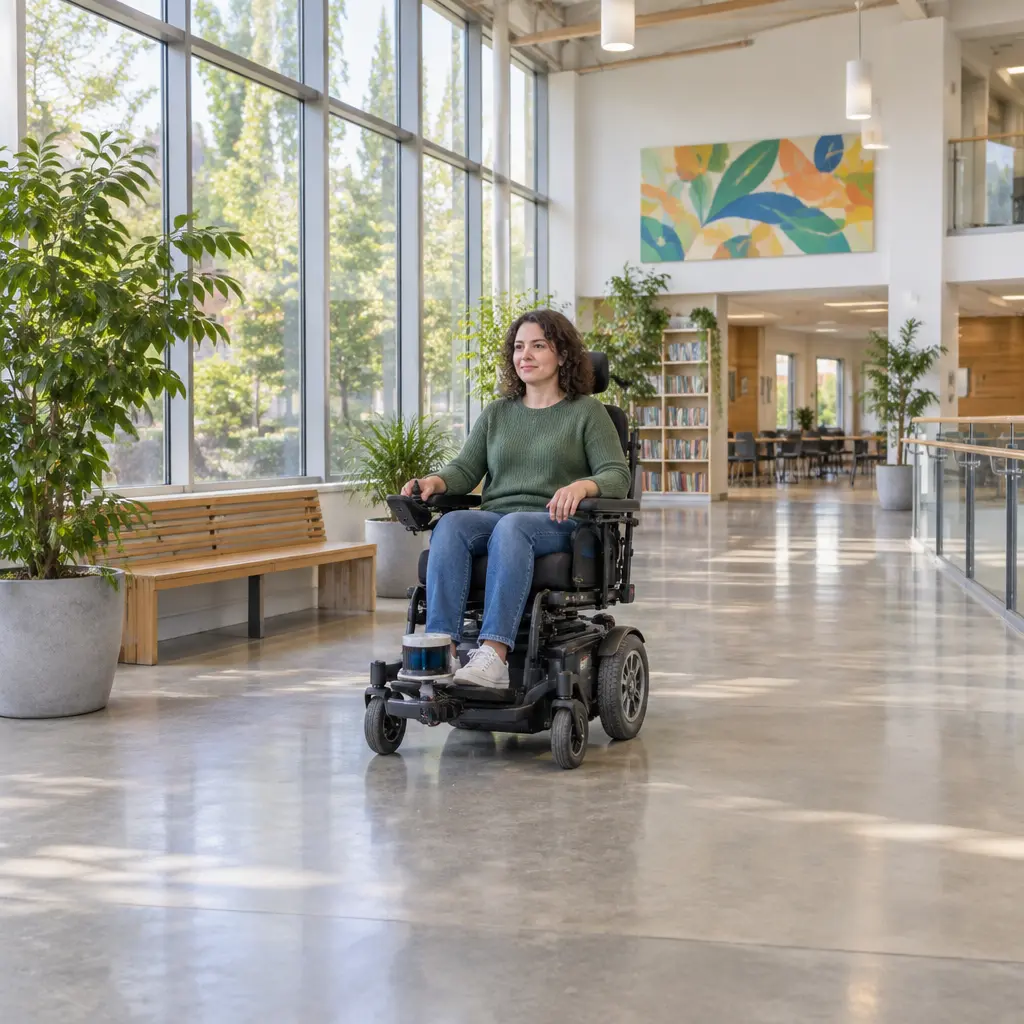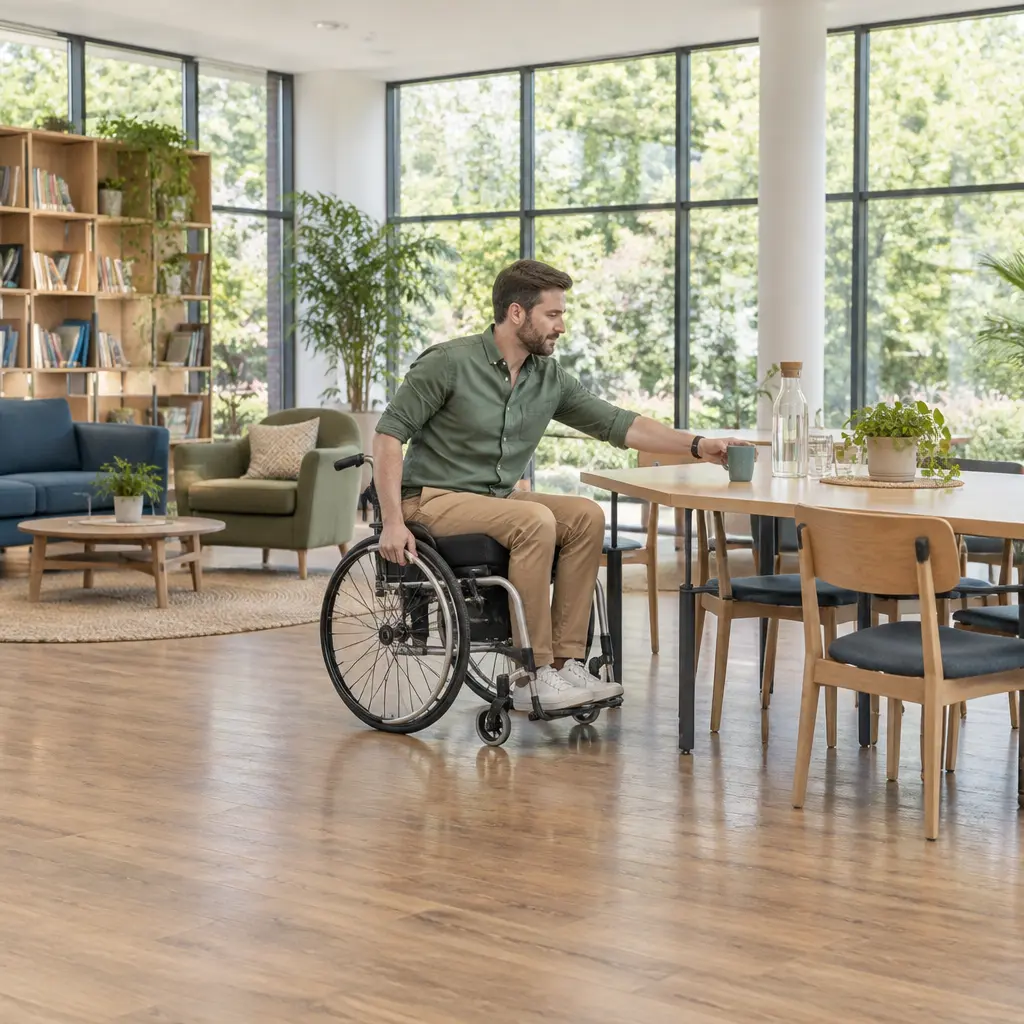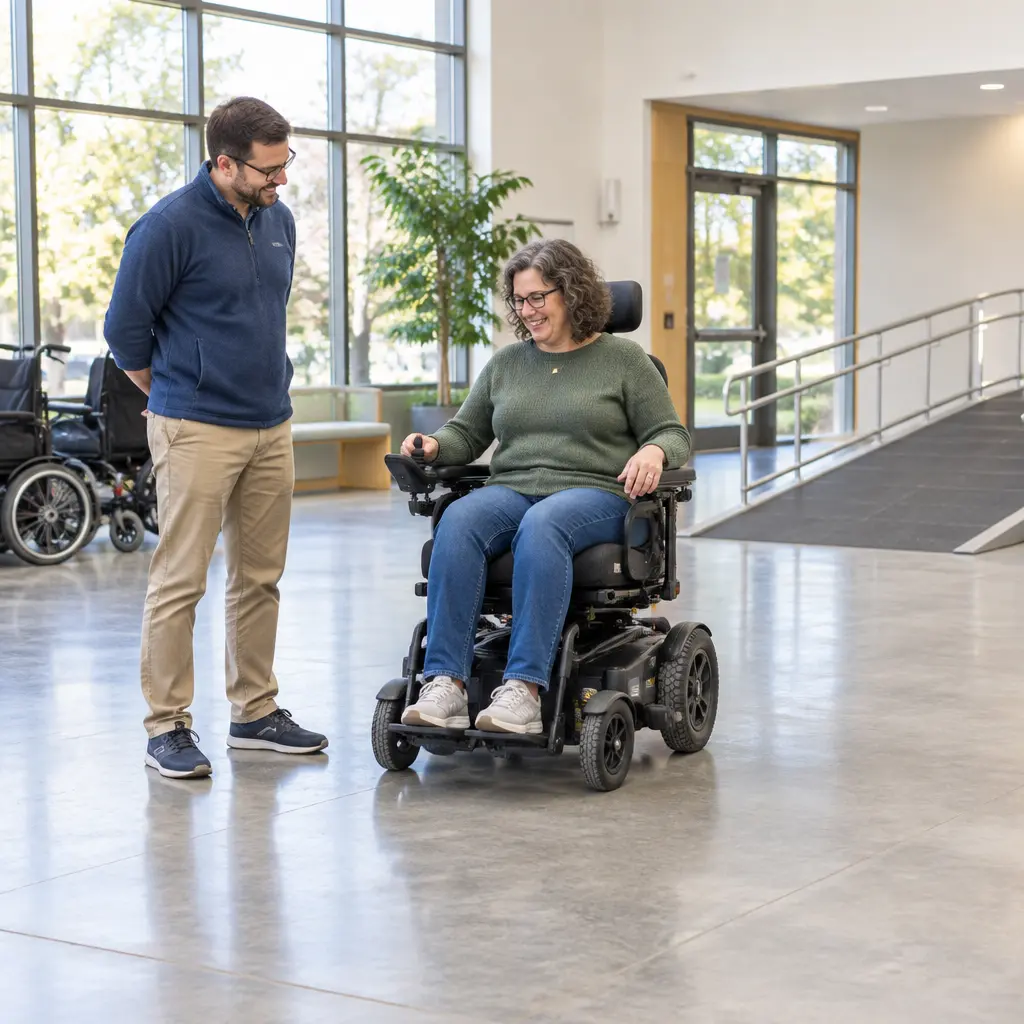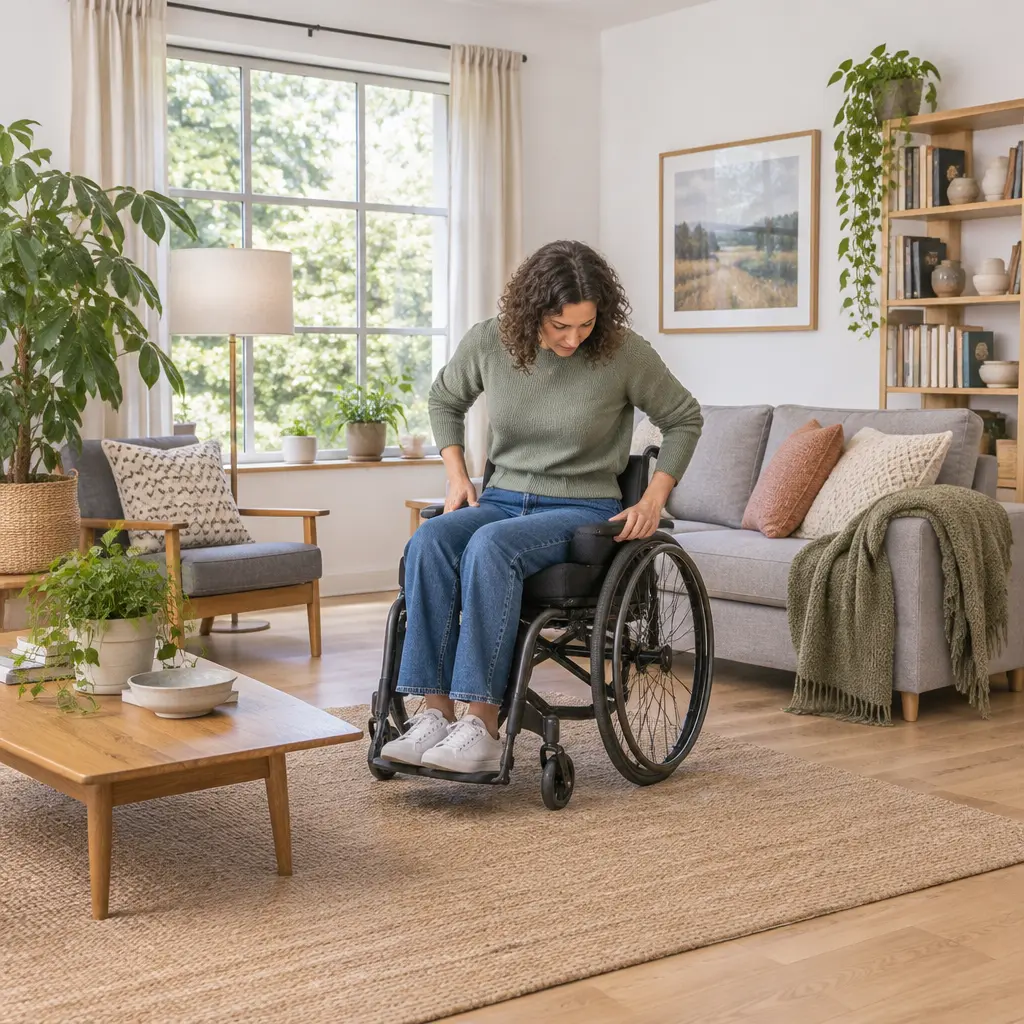
Sitting for long periods in a wheelchair can increase the risk of pressure injuries, discomfort, swelling, and other complications—but these risks can often be reduced with individualized seating, regular pressure relief, skin checks, and movement where possible. A pressure injury is damage to skin or underlying tissue caused by sustained pressure or pressure combined with shear. The World Health Organization estimates that about 1.3 billion people worldwide experience significant disability, while U.S. data show that millions of adults use mobility devices; safe wheelchair routines therefore matter to many people and their caregivers. The sections below explain prolonged sitting risks, pressure and skin protection, movement and positioning, and practical steps for safer daily use.
Prolonged Wheelchair Sitting Increases Pressure-Injury Risk
Prolonged wheelchair sitting means remaining seated for extended periods with too little pressure redistribution or movement for a person’s needs. There is no single sitting duration that is safe for everyone: risk depends on factors such as sensation, circulation, skin condition, nutrition, posture, cushion fit, and ability to shift weight. The National Pressure Injury Advisory Panel (NPIAP) defines a pressure injury as localized damage to the skin or underlying soft tissue, usually over a bony prominence or related to a medical device, resulting from intense or prolonged pressure or pressure combined with shear.
The main related harms include pressure injuries, pain and stiffness, dependent swelling in the legs, and reduced comfort or function. These outcomes are connected but not inevitable. A suitable wheelchair and cushion, a personalized pressure-relief plan, and prompt attention to skin changes can lower risk. The U.S. Centers for Disease Control and Prevention (CDC) reports that about 3.6 million U.S. adults used a wheelchair in 2016, illustrating the scale of need for accessible, practical prevention guidance.
Pressure injuries: how prolonged pressure damages tissue
A pressure injury develops when pressure restricts blood flow to tissue, sometimes with friction or shear adding damage. The NPIAP describes stages ranging from persistent, non-blanchable redness of intact skin to deeper tissue loss; suspected deep-tissue damage may also appear as persistent dark red, maroon, or purple discoloration. People with reduced sensation may not feel early warning signs, so visual skin checks are important. The sacrum, hips, heels, and sitting bones are common areas to monitor, although device contact points can also be affected.
A 2019 systematic review in Spinal Cord found that pressure-ulcer prevalence among people with spinal cord injury varied substantially across studies and settings. The variation reflects differences in populations and methods, so it should not be read as an individual prediction. It does, however, reinforce that pressure injuries are a persistent concern requiring prevention and follow-up.
Pain, stiffness, and swelling
Remaining in one position can contribute to discomfort and stiffness, especially when posture is unsupported or a seat does not fit well. Sitting with legs dependent can also contribute to ankle or lower-leg swelling in some people. Swelling can have many causes, however, including medication effects, circulation problems, or medical conditions. New, painful, one-sided swelling—or swelling accompanied by shortness of breath—requires urgent medical assessment rather than simply changing a wheelchair routine.
Pressure Relief and Skin Checks Reduce Wheelchair Risks
Pressure relief is any planned change that reduces or redistributes pressure on vulnerable areas. It may involve a wheelchair push-up, leaning forward or sideways, a powered tilt or recline, or help from another person. The right method depends on strength, balance, joint range, medical needs, and equipment. The NPIAP’s clinical guidance emphasizes individualized prevention rather than relying on a single technique or schedule for everyone.
Weight shifts and individualized schedules
A weight shift changes the loading pattern at the seat and allows pressure to be redistributed. Some people can perform a forward or side lean; others use a power chair’s tilt function or need caregiver assistance. A commonly cited practice in rehabilitation guidance is to perform pressure-relief movements regularly—often every 15 to 30 minutes when feasible—but the ideal frequency and duration must be set with a clinician based on the person’s risk, skin response, and chair system. A short shift may not adequately unload tissue, and a technique that is unsafe or exhausting is unlikely to be sustainable.
Daily skin inspection and early warning signs
A skin check means examining high-pressure areas for color changes, warmth, firmness, swelling, blisters, or broken skin. The CDC and rehabilitation organizations encourage people at risk, or their caregivers, to inspect skin regularly, including after long periods of sitting and when equipment changes. Redness that does not fade after pressure is relieved, dark discoloration, or an open area should be reported promptly to a healthcare professional. Avoid massaging reddened or damaged areas, because this can worsen tissue injury.
Wheelchair Fit, Cushions, and Posture Shape Risk
Wheelchair seating is the combined setup of the chair, cushion, back support, footrests, and the person’s posture. Proper fit helps distribute pressure and support function; an unsuitable setup can concentrate load, encourage sliding, or create friction. The RESNA position paper on wheelchair seating recommends assessment by qualified professionals when a person has complex positioning or skin-protection needs.
Cushions and pressure distribution
A wheelchair cushion is a support surface intended to improve comfort, stability, or pressure distribution. Foam, air-cell, and gel or hybrid designs have different characteristics, and no cushion is best for every user. A cushion should be selected and adjusted for the individual, then maintained according to the manufacturer’s instructions. Air cushions, for example, can lose effectiveness if inflation is incorrect or the cushion is damaged; covers and positioning can also affect performance.
Posture, shear, and equipment checks
Shear occurs when skin stays against a surface while deeper tissues move, such as when a person slides down in the seat. Poorly positioned footrests, a tilted pelvis, or an ill-fitting back support may contribute to sliding and uneven pressure. Regular equipment checks should include cushion placement, brakes, footrest position, clothing folds, and objects in pockets that could press against the skin. If a chair suddenly feels uncomfortable or posture changes, a seating reassessment can help identify the cause.
Movement and Daily Routines Support Health
Movement includes pressure-relief shifts as well as safe changes in position or activity during the day. It does not necessarily mean standing or walking: a person may benefit from range-of-motion exercises, repositioning, or supported transfers, depending on their abilities and clinical advice. The World Health Organization’s 2020 physical activity guidelines recommend that adults with disabilities be physically active according to ability and health status, while minimizing sedentary time where possible.
A practical routine for users and caregivers
A practical plan combines scheduled pressure relief, skin observation, hydration and nutrition support where appropriate, and safe changes in posture. Caregivers should ask the person about comfort and preferences, explain before assisting, and use safe transfer methods. A clinician or seating specialist can help turn broad prevention advice into a realistic routine that accounts for work, school, travel, fatigue, and the person’s equipment.
- Set reminders for planned pressure relief and position changes.
- Check skin and equipment routinely, especially after a new cushion or chair adjustment.
- Keep the seat and clothing free of wrinkles, moisture, and objects that create pressure.
- Seek professional advice for persistent discomfort, recurring redness, or a change in posture or function.
When to seek medical help
Contact a healthcare professional promptly about a persistent red or discolored area, blister, open wound, increasing pain, warmth, drainage, or fever. A suspected pressure injury may require assessment of depth, infection risk, nutrition, seating, and other contributing conditions. Sudden severe symptoms, rapidly spreading redness, or signs of systemic illness warrant urgent care. Early evaluation can prevent a small problem from becoming more serious.
Conclusion: Safer Wheelchair Sitting Requires Individualized Prevention
Prolonged wheelchair sitting can contribute to pressure injuries, discomfort, stiffness, and swelling, particularly when pressure is not redistributed and seating is poorly fitted. Regular pressure relief, skin checks, appropriate cushions, good positioning, and movement suited to a person’s abilities are the central prevention measures. No universal schedule or product replaces individualized assessment. Wheelchair users, caregivers, and clinicians can work together to create a routine that protects skin while supporting comfort, independence, and daily participation. If you notice persistent skin changes or new symptoms, seek professional guidance rather than waiting for them to resolve on their own.
Sources: World Health Organization, Disability and health, https://www.who.int/news-room/fact-sheets/detail/disability-and-health; Centers for Disease Control and Prevention, Prevalence of Wheelchair Use Among Adults in the United States, https://www.cdc.gov/ncbddd/disabilityandhealth/features/wheelchair-use.html; National Pressure Injury Advisory Panel, Pressure Injury Stages, https://npiap.com/page/PressureInjuryStages; National Pressure Injury Advisory Panel, Prevention and Treatment of Pressure Ulcers/Injuries: Clinical Practice Guideline, https://internationalguideline.com/; Coleman et al., “A new pressure ulcer conceptual framework,” Journal of Advanced Nursing, 2014, https://doi.org/10.1111/jan.12405; Craven et al., “Incidence and prevalence of pressure ulcers in people with spinal cord injury: a systematic review,” Spinal Cord, 2019, https://doi.org/10.1038/s41393-019-0306-7; Rehabilitation Engineering and Assistive Technology Society of North America, Position on the Application of Wheelchair Seating, https://www.resna.org/; World Health Organization, WHO Guidelines on Physical Activity and Sedentary Behaviour, 2020, https://www.who.int/publications/i/item/9789240015128.