Wheelchair pressure-injury prevention means reducing prolonged pressure and shear while protecting skin and supporting blood flow. Common mistakes include relying on discomfort as a warning, skipping or poorly performing pressure-relief movements, overlooking fit and posture, and treating skin checks as optional. These habits matter because pressure injuries can lead to pain, infection, hospitalization, and reduced independence. The National Pressure Injury Advisory Panel (NPIAP) describes pressure injuries as localized damage to skin or underlying tissue, usually over a bony area or related to a medical device. Prevention is individualized: wheelchair users should work with a clinician or seating specialist on a practical plan for movement, skin checks, equipment, and nutrition.
Prevention mistakes and wheelchair pressure relief
Pressure relief is any planned change in position that reduces pressure on vulnerable tissue. NPIAP guidance and the Consortium for Spinal Cord Medicine emphasize that prevention depends on more than a single maneuver: posture, cushion selection, skin condition, activity, and the person’s ability to reposition all matter. No one schedule or technique is right for every wheelchair user.
Mistake: waiting until discomfort signals a problem
Pain or discomfort can be a useful warning, but it is not dependable for people with reduced sensation, including some people with spinal cord injury, diabetes, or nerve conditions. A user may develop tissue damage without feeling it. The practical correction is to follow a clinician-approved routine and check the skin regularly rather than using pain as the only cue. The National Institute for Health and Care Excellence (NICE) recommends skin assessment for people at risk and individualized prevention plans.
Mistake: skipping pressure relief or assuming every movement works equally well
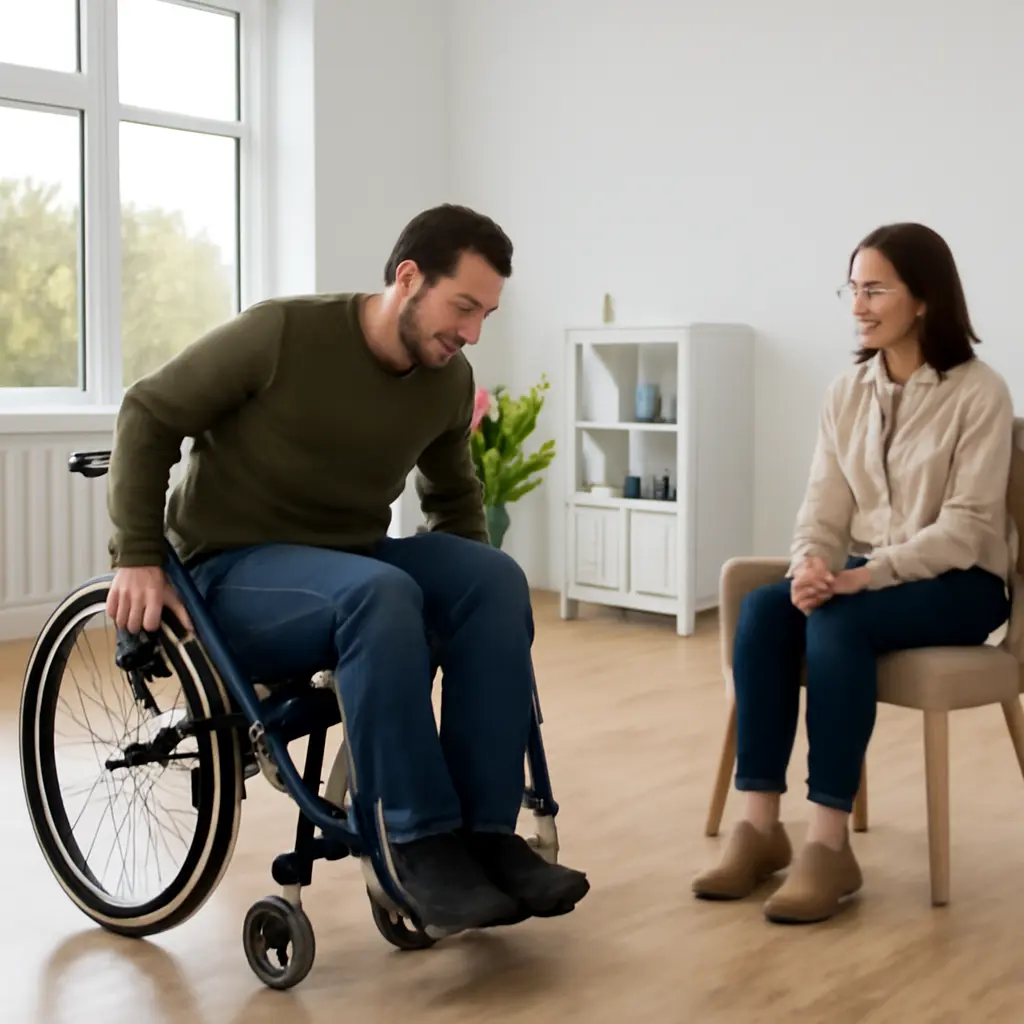
A pressure-relief maneuver is a repositioning action—such as a forward lean, side lean, or tilt in space—that unloads vulnerable areas. Users may skip these movements when busy, uncomfortable, or fatigued, or perform a movement that does not sufficiently shift pressure. The Consortium for Spinal Cord Medicine advises individualized positioning and pressure-relief techniques; effectiveness can depend on the person’s mobility, chair configuration, and clinical needs. Ask a rehabilitation professional to demonstrate and, where appropriate, assess the technique rather than relying on a generic timer or online advice.
Mistake: treating a brief lift as a complete prevention plan
Pressure relief reduces sustained loading, but a single lift does not compensate for poor seating, prolonged uninterrupted sitting, or unaddressed skin changes. A broader plan combines position changes with suitable equipment, skin surveillance, and attention to health factors. The U.S. Department of Veterans Affairs and Department of Defense clinical practice guideline for pressure injury prevention and treatment frames prevention as a set of coordinated risk-reduction measures, not one isolated action.
Seating and posture mistakes that increase pressure risk
Wheelchair seating affects how body weight is distributed and whether a person slides, leans, or experiences friction and shear. A cushion can help manage pressure, but it cannot correct every problem by itself. Equipment should be selected and reviewed in context: the user’s body, posture, mobility, daily routine, and chair all interact.
Mistake: using the wrong cushion or assuming a cushion eliminates risk
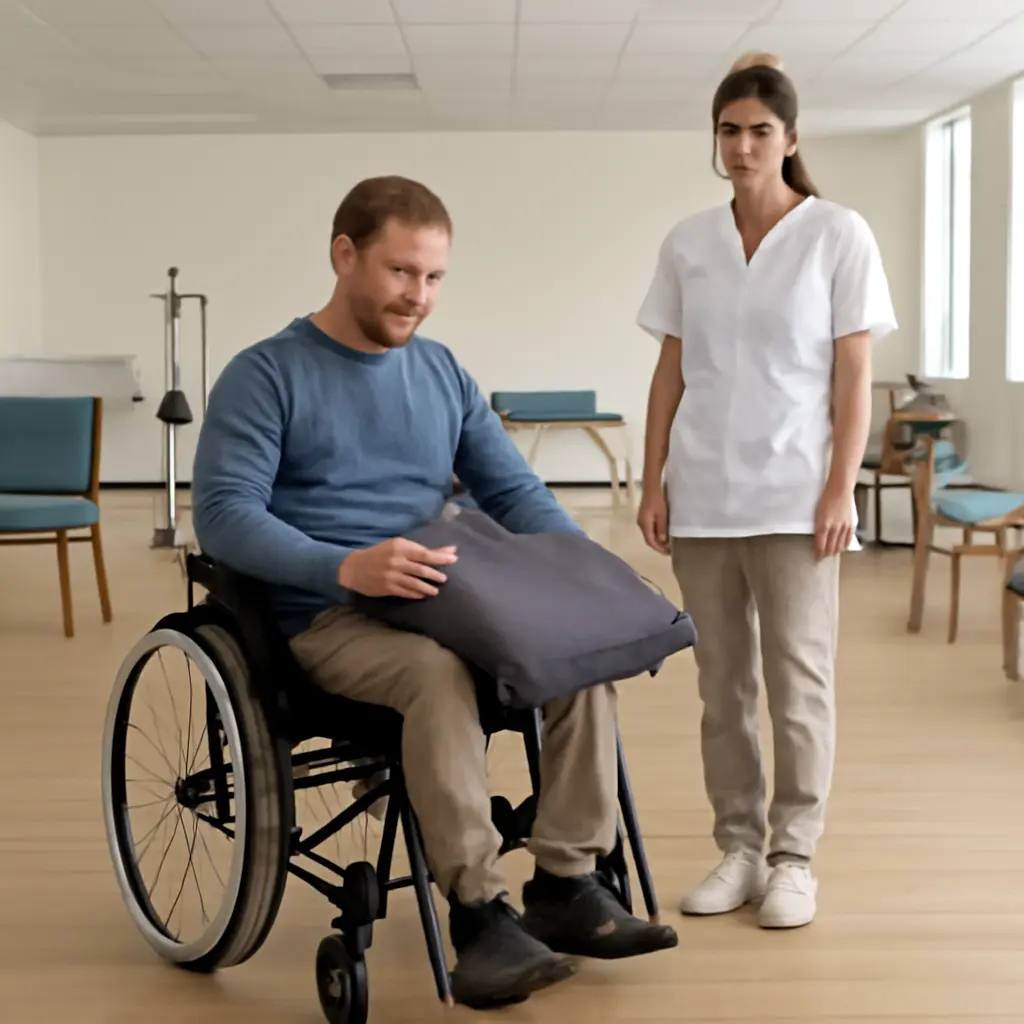
A pressure-redistributing cushion is designed to spread or manage loading, but cushions differ in materials, maintenance needs, and suitability. A cushion that is damaged, incorrectly positioned, incompatible with the chair, or poorly matched to the user may not provide the intended support. NICE recommends considering pressure-redistributing equipment according to individual need and reviewing whether it remains appropriate. Have a seating clinician or qualified supplier check fit and condition, and follow the manufacturer’s instructions for setup and care.
Mistake: ignoring posture, sliding, and shear
Shear occurs when skin and underlying tissue move in different directions, often as a person slides down in a seat. Slouched or asymmetric posture may concentrate pressure and make repositioning harder. Instead of repeatedly pulling the person across the cushion, address the cause with a seating and transfer assessment. A rehabilitation therapist or seating specialist can evaluate pelvic position, trunk support, foot support, chair tilt or recline features, and transfer technique.
Mistake: overlooking equipment changes and wear
Changes in body weight, swelling, posture, strength, or daily activities can change how a wheelchair fits. Cushion covers may be incorrectly replaced, components can wear, and a recently adjusted chair may create new pressure points. Users and caregivers should report changes in comfort, seating stability, or skin condition and arrange reassessment when the wheelchair or the person’s needs change. Equipment checks are especially important after repair, replacement, or a change in health.
Skin-check and response mistakes in wheelchair users
Skin surveillance means looking for early changes and responding before they worsen. It is particularly important when sensation is reduced or a person cannot easily inspect all areas. Regular checks do not replace professional assessment, but they can help identify a concerning change promptly.
Mistake: checking only when something hurts or looking only at the most obvious area
Pressure injuries can develop over the tailbone, hips, sitting bones, heels, ankles, and other areas exposed to pressure or medical devices. Skin checks should cover the areas identified in an individual care plan, including places that are hard to see; a mirror or caregiver may help. Look for persistent redness or discoloration, warmth, swelling, unusual firmness or softness, blisters, or open skin. On darker skin tones, color change may be less apparent, so temperature, texture, and swelling also matter. NICE advises assessment that takes account of skin color and individual risk.
Mistake: rubbing or massaging a discolored area
A persistent mark or color change after pressure is removed can signal tissue stress. Rubbing or massaging the area may add friction and should not be used as a treatment for suspected pressure damage. Relieve pressure from the area and contact a healthcare professional for advice, especially if the change persists, worsens, blisters, or breaks open. Do not apply a dressing, cream, or other treatment in place of clinical guidance when the skin is damaged.
Mistake: delaying help when skin changes appear
An early concern can become more serious if pressure continues. If skin does not return to its usual appearance after pressure is removed, or there is an open wound, worsening discoloration, heat, swelling, drainage, or fever, seek prompt clinical assessment. The NHS advises people to seek medical help if they think they have a pressure ulcer. Follow local urgent-care guidance for severe symptoms or signs of infection.
Daily health and routine mistakes that undermine prevention
Pressure injury risk is influenced by more than chair use. Moisture, nutrition, hydration, illness, and the feasibility of a daily care routine can affect skin resilience and recovery. These factors do not mean a person is at fault; they are reasons to adapt support and seek appropriate clinical advice.
Mistake: leaving moisture, friction, or incontinence concerns unaddressed
Sweat, wound drainage, or urine and stool can irritate skin, while friction during transfers or repositioning can damage fragile areas. A care plan may include gentle cleansing, keeping skin dry, a clinician-recommended moisture barrier, and safer transfer methods. Avoid vigorous scrubbing and ask a clinician for help if irritation persists or skin breaks down.
Mistake: treating food and fluids as unrelated to skin health
Adequate nutrition and hydration support general health and tissue maintenance, although diet alone cannot prevent pressure injuries. NICE recommends nutritional assessment for people at risk and support when malnutrition is identified. Unintended weight loss, poor appetite, swallowing difficulty, or dehydration concerns should be discussed with a healthcare professional or dietitian rather than addressed through supplements without advice.
Mistake: using a routine that is too difficult to sustain
A prevention plan that does not fit a person’s work, school, transport, caregiving, or fatigue demands may be hard to follow. The safer response is not blame, but problem-solving with the care team: identify realistic cues for position changes, make skin checks accessible, arrange help where needed, and review seating or transfer barriers. A plan should be specific enough to act on and flexible enough to work in everyday life.
A practical prevention plan and when to seek help
A useful plan is personalized, documented, and reviewed when health, equipment, or skin condition changes. It can specify pressure-relief methods, skin-check areas and timing, cushion and chair checks, moisture care, and who to contact about concerns. A clinician, occupational therapist, physical therapist, wound-care specialist, or seating professional can help coordinate these elements.
- Ask a rehabilitation or seating professional to confirm cushion fit, posture, and suitable pressure-relief techniques.
- Use the individualized movement and skin-check routine recommended by your care team; do not rely on pain alone.
- Inspect skin regularly, including areas that are difficult to see, and note new changes.
- Keep wheelchair and cushion components in good condition and report changes in fit or comfort.
- Seek clinical advice promptly for persistent discoloration, warmth, swelling, blisters, open skin, drainage, or worsening pain.
A simple visual aid could be a daily checklist showing pressure-relief opportunities, skin-check areas, and equipment checks; it should support—not replace—individual clinical advice.
Conclusion: safer wheelchair pressure-injury prevention
The most common prevention mistakes are relying on discomfort, skipping or misjudging pressure relief, assuming a cushion solves every seating problem, overlooking skin changes, and postponing help. Prevention works best when wheelchair fit, posture, repositioning, skin surveillance, and everyday health needs are considered together. If you use a wheelchair, ask your healthcare or seating team to review your current plan and make it practical for your routine. Early attention to a skin change can help prevent a small concern from becoming a more serious injury.
Sources: National Pressure Injury Advisory Panel, Pressure Injury Stages, https://npiap.com/page/PressureInjuryStages; Consortium for Spinal Cord Medicine, Pressure Ulcer Prevention and Treatment Following Spinal Cord Injury: A Clinical Practice Guideline for Health-Care Professionals, https://pva.org/research-resources/publications/clinical-practice-guidelines/; National Institute for Health and Care Excellence, Pressure Ulcers: Prevention and Management, https://www.nice.org.uk/guidance/cg179; U.S. Department of Veterans Affairs and Department of Defense, Clinical Practice Guideline for the Prevention and Treatment of Pressure Ulcers, https://www.healthquality.va.gov/guidelines/CD/pressure/; NHS, Pressure Ulcers (Bedsores), https://www.nhs.uk/conditions/pressure-sores/